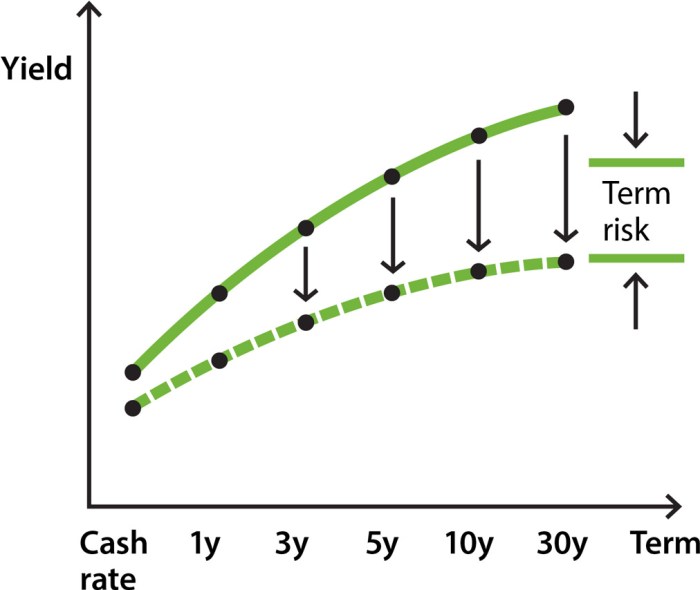
As Yield curve shifts and economic impact takes center stage, this opening passage beckons readers with a comprehensive look at how changes in the yield curve can influence economic outcomes, providing a nuanced perspective that delves into the intricate relationship between financial markets and broader economic trends.
The discussion will shed light on the key components of yield curve shifts and their far-reaching effects on various facets of the economy, offering readers a deeper insight into the complexities of this crucial financial indicator.
Understanding Yield Curve
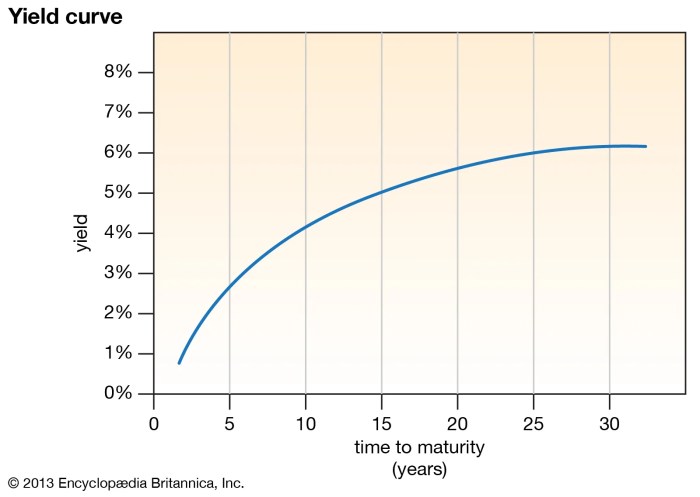
The yield curve is a graphical representation of the interest rates on debt for a range of maturities. It shows the relationship between the interest rate (or cost of borrowing) and the time to maturity of the debt.There are three main types of yield curves:
1. Normal Yield Curve
This is when longer-term debt instruments have higher interest rates than short-term debt instruments. It indicates that the market expects the economy to grow in the future.
2. Inverted Yield Curve
This occurs when short-term interest rates are higher than long-term rates. It is often seen as a predictor of an economic recession.
3. Flat Yield Curve
In this case, there is little difference between short-term and long-term interest rates. It may signal uncertainty in the market or indicate a transition from one type of yield curve to another.Yield curves are constructed by plotting the interest rates of similar quality bonds against their maturities. They are interpreted by analysts to understand market expectations about future economic conditions.
For example, a steep yield curve may suggest robust economic growth, while a flat or inverted yield curve may indicate economic uncertainty or potential downturn.
Construction and Interpretation of Yield Curves
Yield curves are typically constructed using government bonds with varying maturities. By plotting the yields on these bonds, analysts can gain insights into investors’ expectations for future interest rates and economic conditions.
- Short-Term Yield Curves: These focus on bonds with maturities of one year or less, providing a snapshot of current market conditions and expectations in the near term.
- Long-Term Yield Curves: These involve bonds with maturities of ten years or more, offering insights into long-term economic trends and inflation expectations.
- Steepness of the Curve: The slope of the yield curve indicates the difference between short-term and long-term interest rates. A steeper curve suggests higher expectations for future economic growth.
Factors Influencing Yield Curve Shifts
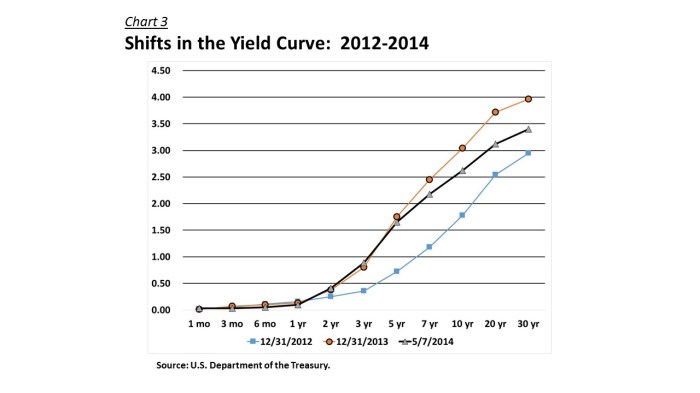
Yield curve shifts are influenced by various factors that play a crucial role in shaping the financial landscape. Understanding these key factors is essential in predicting market movements and making informed investment decisions.
Economic Indicators Impact
Economic indicators such as inflation, interest rates, and market expectations have a significant impact on yield curve movements. Inflation rates directly affect the purchasing power of currency, leading to changes in interest rates set by central banks. Market expectations also play a crucial role in shaping investor sentiment and influencing bond yields.
Central Bank Policies Influence
Central banks play a pivotal role in shaping yield curve shifts through their monetary policies. By adjusting interest rates and implementing various measures like quantitative easing or tightening, central banks can influence borrowing costs and liquidity in the market. These policy decisions have a direct impact on yield curve movements, reflecting the overall economic outlook and market conditions.
Economic Impacts of Yield Curve Shifts
When the yield curve shifts, it can have significant impacts on the economy, affecting various aspects such as borrowing costs, recession predictions, market sentiment, and economic growth prospects.
Borrowing Costs for Businesses and Consumers
Changes in the yield curve can directly influence borrowing costs for businesses and consumers. Typically, a steeper yield curve indicates higher long-term interest rates compared to short-term rates. This could lead to increased borrowing costs for businesses looking to invest in long-term projects or consumers seeking loans for big purchases like homes and cars.
Implications of an Inverted Yield Curve on Recession Predictions
An inverted yield curve, where short-term interest rates are higher than long-term rates, is often seen as a potential indicator of an upcoming recession. This is because it reflects market expectations of economic slowdown or uncertainty, causing investors to seek the safety of long-term bonds. As a result, an inverted yield curve can raise concerns about future economic conditions and lead to cautious investment behavior.
Signaling Changes in Market Sentiment and Economic Growth Prospects
Yield curve shifts can also signal changes in market sentiment and economic growth prospects. For instance, a flattening yield curve, where the difference between short-term and long-term rates narrows, may suggest expectations of slowing economic growth. On the other hand, a steepening yield curve could indicate optimism about future economic expansion and increased investment activity.
In conclusion, exploring the impact of yield curve shifts on economic dynamics reveals a complex interplay between financial variables and real-world consequences. By understanding these relationships, individuals and businesses can navigate the ever-changing economic landscape with greater insight and foresight.
Frequently Asked Questions
What factors contribute to shifts in the yield curve?
Factors such as inflation, interest rates, and market expectations play a significant role in influencing yield curve movements.
How do changes in the yield curve impact borrowing costs?
Changes in the yield curve can affect borrowing costs for businesses and consumers, potentially influencing spending and investment decisions.
What does an inverted yield curve signify?
An inverted yield curve is often seen as a predictor of an impending recession, as it indicates short-term interest rates are higher than long-term rates.


