
Global yield curve trends set the stage for this enthralling narrative, offering readers a glimpse into a story that is rich in detail and brimming with originality. The concept of yield curve, its significance, and the influence of key factors across regions like the US, Europe, and Asia will be explored in depth.
As we delve into the intricacies of different types of yield curves and their implications, as well as the impact of interest rate changes on the shape of the curve, readers will gain a comprehensive understanding of this complex yet crucial aspect of economics and finance.
Global Yield Curve Trends
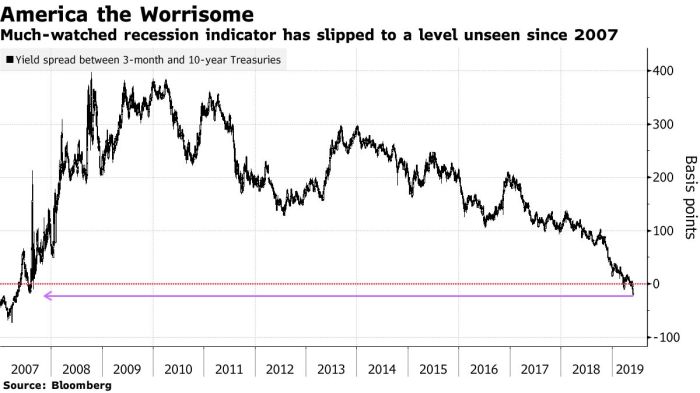
When we talk about yield curves in financial markets, we are referring to a graphical representation of the interest rates on debt for a range of maturities. The yield curve shows the relationship between the interest rates (or yields) and the time to maturity of debt securities, such as government bonds.
Key Factors Influencing Global Yield Curve Trends
- Economic Data: Economic indicators like GDP growth, inflation, and employment figures can impact yield curve trends.
- Central Bank Policies: Monetary policies set by central banks, such as interest rate decisions, can influence yield curve movements.
- Geopolitical Events: Events like trade tensions, political instability, or natural disasters can affect global yield curve trends.
Comparison of Yield Curve Trends Across Different Regions
Let’s take a look at how yield curve trends vary across regions like the US, Europe, and Asia:
| Region | Yield Curve Trend |
|---|---|
| United States | The US yield curve has been flattening in recent years, with short-term interest rates rising faster than long-term rates. |
| Europe | European yield curves have been impacted by the ECB’s quantitative easing programs, leading to negative interest rates in some countries. |
| Asia | Asian yield curves can be influenced by factors like trade tensions, currency movements, and economic growth rates in different countries. |
Yield curve
An essential concept in economics and finance, the yield curve is a graphical representation of the yields on bonds of similar credit quality but different maturities. It shows the relationship between the interest rate (or cost of borrowing) and the time to maturity of the debt.
Types of Yield Curves
- Normal Yield Curve: This is the most common type, where longer-term bonds have higher yields compared to shorter-term bonds. It indicates that the market expects the economy to grow in the future.
- Inverted Yield Curve: In this scenario, shorter-term bonds have higher yields than longer-term bonds. It is often seen as a predictor of an economic recession.
- Flat Yield Curve: This type occurs when there is little difference between short and long-term interest rates. It suggests uncertainty or economic transition.
Impact of Interest Rate Changes
Changes in interest rates can influence the shape of the yield curve. When interest rates rise, short-term bond yields tend to increase more than long-term yields, leading to a flattening or inversion of the yield curve. Conversely, when interest rates fall, the yield curve may steepen as long-term yields drop more than short-term yields.
In conclusion, Global yield curve trends offer a fascinating lens through which to view the interconnectedness of global financial markets. By examining how various regions experience and respond to yield curve trends, we uncover valuable insights that can inform investment decisions and shape economic strategies moving forward.
FAQ Overview
What is a yield curve?
A yield curve is a graphical representation of interest rates on debt for a range of maturities.
How do interest rate changes affect the shape of the yield curve?
Changes in interest rates can cause the yield curve to steepen, flatten, or become inverted, depending on the direction and magnitude of the rate changes.
Why is it important to compare yield curve trends across different regions?
Comparing yield curve trends allows for a better understanding of how different economies are performing and how they are impacted by global events.


