
With Historical yield curve trends at the forefront, this paragraph opens a window to an amazing start and intrigue, inviting readers to embark on a storytelling journey filled with unexpected twists and insights. The evolution of yield curve trends over the years has been a fascinating tale of market dynamics and economic shifts, shaping the way investors perceive and predict future conditions.
From significant historical shifts to the impact of major events, this topic delves into the heart of financial analysis and decision-making.
Historical Trends in Yield Curve
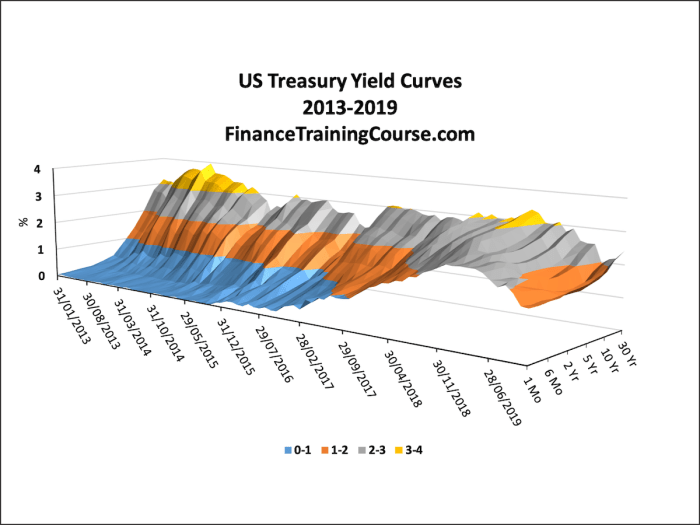
Historical trends in yield curves have shown a variety of patterns and shifts over the years, influenced by different economic conditions and events.
Evolution of Yield Curve Trends
Yield curve trends have evolved from being typically upward-sloping to occasionally inverting or flat, reflecting changing market expectations and economic indicators.
Significant Historical Shifts
- 1930s Great Depression: During this period, the yield curve flattened significantly as investors sought safe-haven assets, indicating a bleak economic outlook.
- Early 1980s Volcker Shock: The aggressive interest rate hikes by the Federal Reserve led to a steepening of the yield curve, reflecting the central bank’s efforts to combat inflation.
- 2008 Financial Crisis: The yield curve inverted prior to the financial crisis, signaling market concerns about an impending recession and credit crunch.
Impact of Major Historical Events
Events such as wars, financial crises, and policy shifts have had a profound impact on yield curve trends, influencing investor behavior and market expectations.
Factors Influencing Yield Curve Trends
Various economic indicators and central bank policies play a crucial role in influencing yield curve movements. Additionally, the relationship between inflation and yield curve trends is a key factor to consider.
Key Economic Indicators
- Unemployment Rate: The level of unemployment in an economy can impact the direction of yield curve movements. Lower unemployment rates may signal economic growth, leading to a steeper yield curve.
- Gross Domestic Product (GDP): Changes in GDP growth rates can affect market expectations for future interest rates, influencing the shape of the yield curve.
- Consumer Price Index (CPI): Inflation levels, as measured by the CPI, can impact bond yields and the overall shape of the yield curve.
Central Bank Policies
- Interest Rate Decisions: Central banks adjust interest rates to control inflation and stimulate economic growth, which directly impacts short-term interest rates and subsequently influences the yield curve.
- Quantitative Easing (QE): Central banks implement QE programs to lower long-term interest rates, affecting the yield curve by flattening it or causing it to invert.
- Forward Guidance: Central banks provide forward guidance on future monetary policy actions, shaping market expectations and influencing yield curve dynamics.
Inflation and Yield Curve Trends
Inflation has a significant impact on yield curve trends. High inflation expectations can lead to a steepening yield curve as investors demand higher yields to compensate for the eroding purchasing power of money. Conversely, low inflation or deflationary pressures may flatten the yield curve as investors seek the safety of longer-term bonds.
Types of Yield Curves
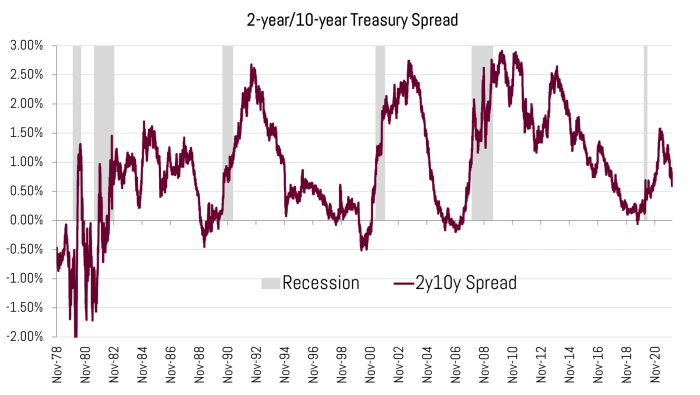
When analyzing yield curves, it’s important to understand the different types that can occur in the market. The shape of the yield curve provides insight into investor sentiment and expectations about the economy.There are three main types of yield curves: normal, inverted, and flat. Each type reflects different market expectations and has unique implications for investors.
Normal Yield Curve
A normal yield curve is characterized by long-term interest rates being higher than short-term rates. This type of curve typically indicates that investors expect the economy to grow steadily in the future. It reflects the normal relationship where investors demand higher returns for lending money over a longer period.
Inverted Yield Curve
In contrast, an inverted yield curve occurs when short-term interest rates are higher than long-term rates. This is often seen as a sign of economic uncertainty or potential recession. Investors may be expecting lower inflation or even deflation in the future, leading to the inversion of the yield curve.
Flat Yield Curve
A flat yield curve indicates that there is little difference between short-term and long-term interest rates. This could suggest a period of economic transition or uncertainty, where investors are unsure about the future direction of the economy. It may also signal a potential slowdown in economic growth.By comparing and contrasting these different types of yield curves, investors can gain valuable insights into market expectations and make informed decisions about their investment strategies.
Each type carries its own implications for the economy and financial markets, highlighting the importance of closely monitoring yield curve trends.
Interpretation of Historical Yield Curve Data
When it comes to historical yield curve data, investors and analysts closely examine past trends to gain valuable insights into future economic conditions and make informed financial decisions.
Importance of Historical Yield Curve Data
Historical yield curve data serves as a key indicator of the overall health of the economy. By looking at past yield curve trends, investors can better understand the relationship between short-term and long-term interest rates, providing clues about potential shifts in economic activity.
- Analysts often use historical yield curve data to predict recessions or economic expansions. For example, an inverted yield curve, where short-term rates are higher than long-term rates, has historically preceded economic downturns.
- Conversely, a steepening yield curve, where long-term rates rise faster than short-term rates, may signal expectations of future economic growth and inflation.
- By analyzing historical yield curve data, investors can adjust their investment strategies accordingly, such as reallocating assets to fixed-income securities or equities based on their outlook for the economy.
In conclusion, Historical yield curve trends offer a rich tapestry of insights into the past, present, and future of financial markets. By understanding the historical patterns and interpreting the data effectively, investors and analysts can navigate the complexities of economic conditions with greater clarity and foresight. As the landscape of yield curve trends continues to evolve, the lessons from history provide invaluable guidance for strategic decision-making in an ever-changing market environment.
General Inquiries
How have yield curve trends evolved over the years?
Yield curve trends have shifted in response to changing economic conditions, reflecting market expectations and investor sentiment.
What is the relationship between inflation and yield curve trends?
Inflation plays a crucial role in shaping yield curve trends, influencing market perceptions of future economic conditions.
How do central bank policies impact yield curve shapes?
Central bank policies can influence the slope and shape of yield curves through interest rate adjustments and monetary interventions.


