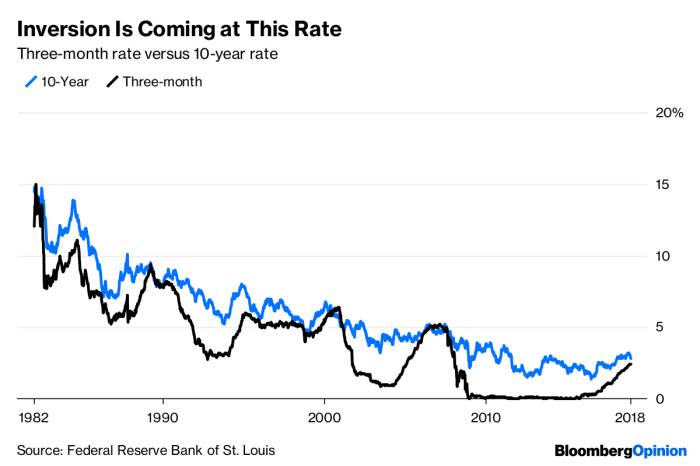
Exploring the intricate relationship between the Federal Reserve and the yield curve sheds light on the dynamics shaping our financial landscape. As we delve into the depths of monetary policy and market impacts, a clearer picture emerges of how these forces intersect to drive economic shifts.
Unraveling the complexities of interest rate decisions, yield curve shapes, and policy objectives, this discussion navigates through the nuances of financial indicators with Federal Reserve’s guiding hand at the helm.
Federal Reserve and the yield curve
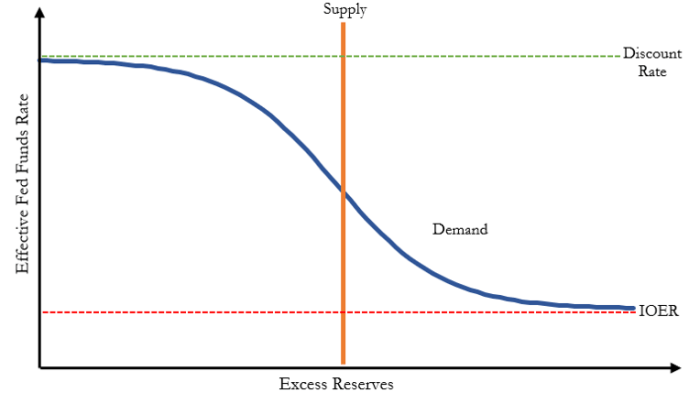
The Federal Reserve plays a crucial role in influencing the yield curve through its monetary policy decisions. By adjusting interest rates and implementing various tools, the Federal Reserve can impact the shape and movement of the yield curve.
Federal Reserve’s Monetary Policy Impact
The Federal Reserve’s monetary policy directly affects the yield curve by influencing short-term interest rates. When the Fed raises or lowers interest rates, it can steer the yield curve higher or lower accordingly. For example, a series of rate hikes by the Fed can lead to an upward sloping yield curve.
Relationship between Interest Rate Decisions and Yield Curve Shape
Federal Reserve interest rate decisions have a direct correlation with the shape of the yield curve. Typically, when the Fed raises short-term interest rates, it can flatten the yield curve. Conversely, lowering interest rates can result in a steeper yield curve.
Federal Reserve’s Yield Curve Control Strategy
The Federal Reserve also employs yield curve control as a tool to achieve its policy objectives. This strategy involves targeting specific yields on Treasury securities to influence long-term interest rates and maintain stability in the financial markets. By implementing yield curve control, the Fed can manage borrowing costs, support economic growth, and control inflation expectations effectively.
Yield Curve
The yield curve is a graphical representation of the interest rates on debt for a range of maturities. It shows the relationship between the interest rate (or cost of borrowing) and the time to maturity of the debt. This curve is a crucial indicator in the financial markets as it provides insights into the expectations for future interest rates and economic activity.
Various Shapes of the Yield Curve
The yield curve can take on three main shapes: normal, inverted, and flat.
- Normal Yield Curve: In a normal yield curve, longer-term bonds have higher yields compared to shorter-term bonds. This shape indicates that the market expects economic growth and inflation to increase over time.
- Inverted Yield Curve: An inverted yield curve occurs when short-term bonds have higher yields than long-term bonds. This shape is often seen as a warning sign of an impending recession, as it suggests that investors are worried about the future economic outlook.
- Flat Yield Curve: A flat yield curve occurs when there is little difference between short-term and long-term bond yields. This shape can signal uncertainty in the market about future economic conditions.
Changes in the Yield Curve and Economic Conditions
Changes in the yield curve can provide important signals about shifts in economic conditions. For example, a steepening yield curve (transition from flat to normal) may indicate expectations of economic growth and higher inflation. Conversely, a flattening yield curve (transition from normal to flat) could signal slowing economic growth or potential recession.
Yield Spread and Its Importance
Yield spread refers to the difference in yields between different types of bonds, such as government bonds and corporate bonds, or between bonds of different maturities. It is a key measure used in analyzing the yield curve. A widening yield spread suggests increased risk aversion in the market, while a narrowing spread could indicate improving investor sentiment and economic conditions.
In conclusion, the Federal Reserve’s strategic control over the yield curve unveils a strategic tool used to steer the economy towards desired outcomes. As we reflect on the interplay between market forces and policy maneuvers, a deeper understanding emerges of the intricate dance between monetary decisions and financial repercussions.
General Inquiries
What is the significance of the yield curve in financial markets?
The yield curve provides insights into future economic conditions based on the relationship between short-term and long-term interest rates.
How does the Federal Reserve use yield curve control to achieve its policy objectives?
The Federal Reserve adjusts interest rates to influence the yield curve shape, aiming to stimulate or cool down the economy as needed.


